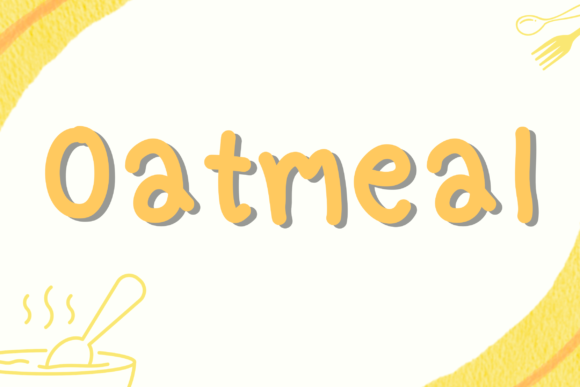
Oatmeal Font: Handwritten Elegance for Web Design
Oatmeal is a soft, handwritten script font that brings a touch of warmth and personality to digital projects. Its delicate strokes and fluid curves make it ideal for web design elements that require a human, approachable feel. As a script font, Oatmeal stands out in headers, logos, and decorative text while maintaining enough clarity for effective visual hierarchy.
Web designers and UI creators often seek fonts that balance aesthetic appeal with usability. Oatmeal delivers on both fronts. Its dainty style works well in hero sections, call-to-action buttons, and branding elements where a personal touch is needed without overwhelming the user. The font’s paint-brushed texture adds a unique visual dimension, making it a standout choice for creative websites and digital products.
Using Oatmeal in Web Design
When used in headers or titles, Oatmeal can elevate the tone of a website. For example, a boutique online store might use Oatmeal for product names or taglines to create an artisanal, handcrafted vibe. Similarly, a coaching or wellness website could use it for headlines to convey a sense of care and authenticity.
In landing pages, Oatmeal can be paired with a clean sans serif font for body copy. This contrast helps maintain readability while allowing the script font to shine as a focal point. A course sales page, for instance, might feature Oatmeal in the main headline, with a simple serif or sans serif font for descriptions and features.
For digital ads and social media graphics, Oatmeal adds a friendly, engaging presence. It works well in banners, post headers, and promotional content where a handwritten feel can increase relatability and trust. However, it’s important to keep the text short and focused to avoid cluttering the design.
Readability and Visual Hierarchy
While Oatmeal is visually appealing, its readability depends on how it’s used. On mobile screens, large text sizes and ample spacing are essential to ensure legibility. Small text, especially on dark backgrounds or image overlays, may become difficult to read if not properly adjusted.
Designers should consider using Oatmeal for short phrases rather than long paragraphs. It excels in headings, logos, and decorative accents but may not be the best choice for body text. When paired with a more structured typeface, it can enhance the overall visual rhythm of a layout without compromising clarity.
For brand identity, Oatmeal can help establish a consistent tone across different platforms. A creative portfolio site might use it for project titles, while a blog header could feature it to add a personal touch. In all cases, maintaining a clear visual hierarchy ensures that the font supports the message rather than distracts from it.
Font Pairing and Digital Branding
Pairing Oatmeal with other fonts can create a balanced and professional look. A common approach is to pair it with a modern sans serif for body text or a classic serif for editorial-style content. This combination allows the script font to stand out while keeping the rest of the design clean and readable.
For a more editorial feel, Oatmeal can be paired with a serif font like Georgia or Playfair Display. This pairing works well for blogs, magazines, or content-focused websites. Alternatively, a minimalist sans serif like Lato or Open Sans can provide a stark contrast that highlights the uniqueness of Oatmeal without overwhelming the design.
When selecting a font for web use, it’s important to check for webfont availability, file formats, and licensing. Oatmeal, as part of the Script Amp collection, likely includes multiple weights and styles that cater to different design needs. Ensuring multilingual support is also key for global audiences or international brands.
Commercial Use and Licensing
Web designers and digital product creators should always verify the commercial licensing terms of any font they use. Oatmeal, as a premium font, may require specific licenses for use on websites, client projects, or online stores. Understanding these terms ensures compliance and avoids potential legal issues.
For SaaS founders, bloggers, and online store owners, using Oatmeal in branded assets like logos, banners, or email templates can reinforce a cohesive identity. However, it’s crucial to confirm that the license covers all intended uses, including public-facing websites and downloadable templates.
Ultimately, Oatmeal offers a versatile and expressive option for web designers looking to add a personal, artistic touch to their projects. Whether used in a creative portfolio, a boutique store, or a coaching website, its handwritten charm can enhance the visual storytelling and emotional connection with users.
By thoughtfully integrating Oatmeal into layouts, designers can create web experiences that are both beautiful and functional. Its ability to blend elegance with approachability makes it a valuable addition to any digital toolkit.